At the first signs of change
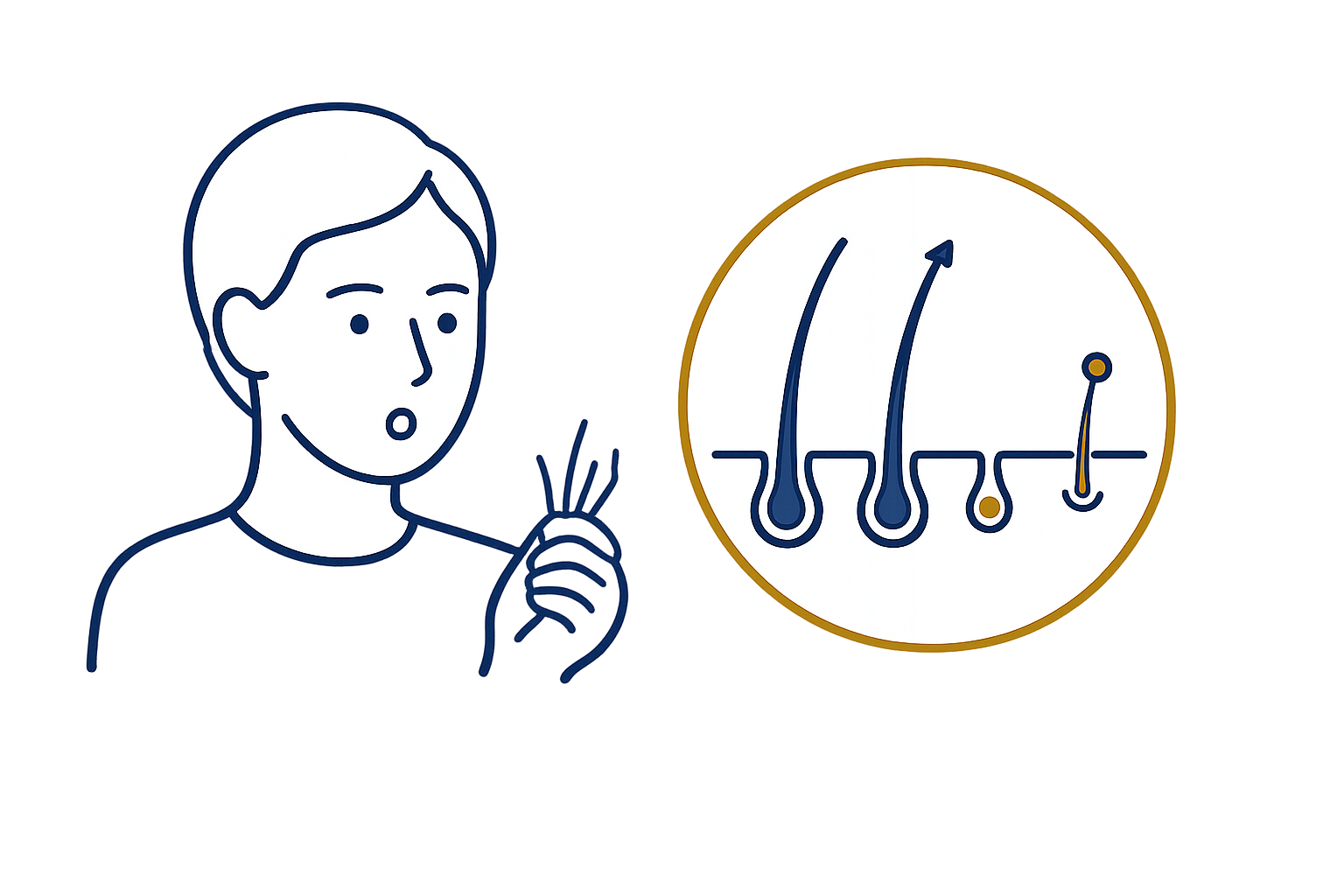
You have noticed shedding, thinning, texture change, scalp symptoms, or another change.
Independent hair-loss assessment
Research-informed assessment and monitoring for patients who want to understand where and how their hair is changing, likely drivers, treatment response, and the next step before choosing, changing, or continuing treatment.
Your pattern — where and how your hair is changing. Your timeline. Your treatment history. Your next decision.
In-person and remote consultations.
RECOGNIZING THE SITUATION
Hair loss does not always look or behave the same way. You may be noticing gradual thinning, a changing hairline, a localized patch, scalp symptoms, or a pattern that has not been clearly explained.
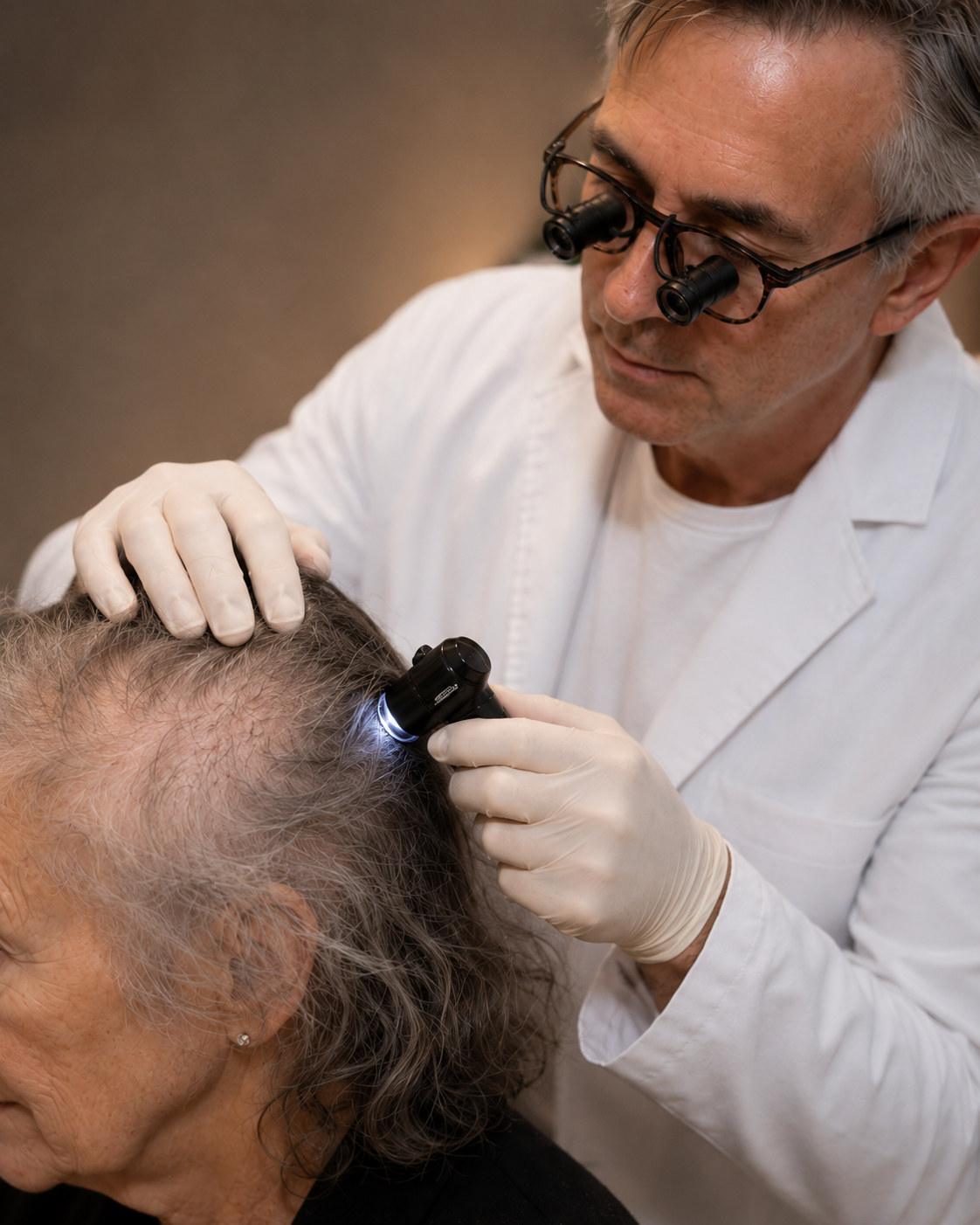

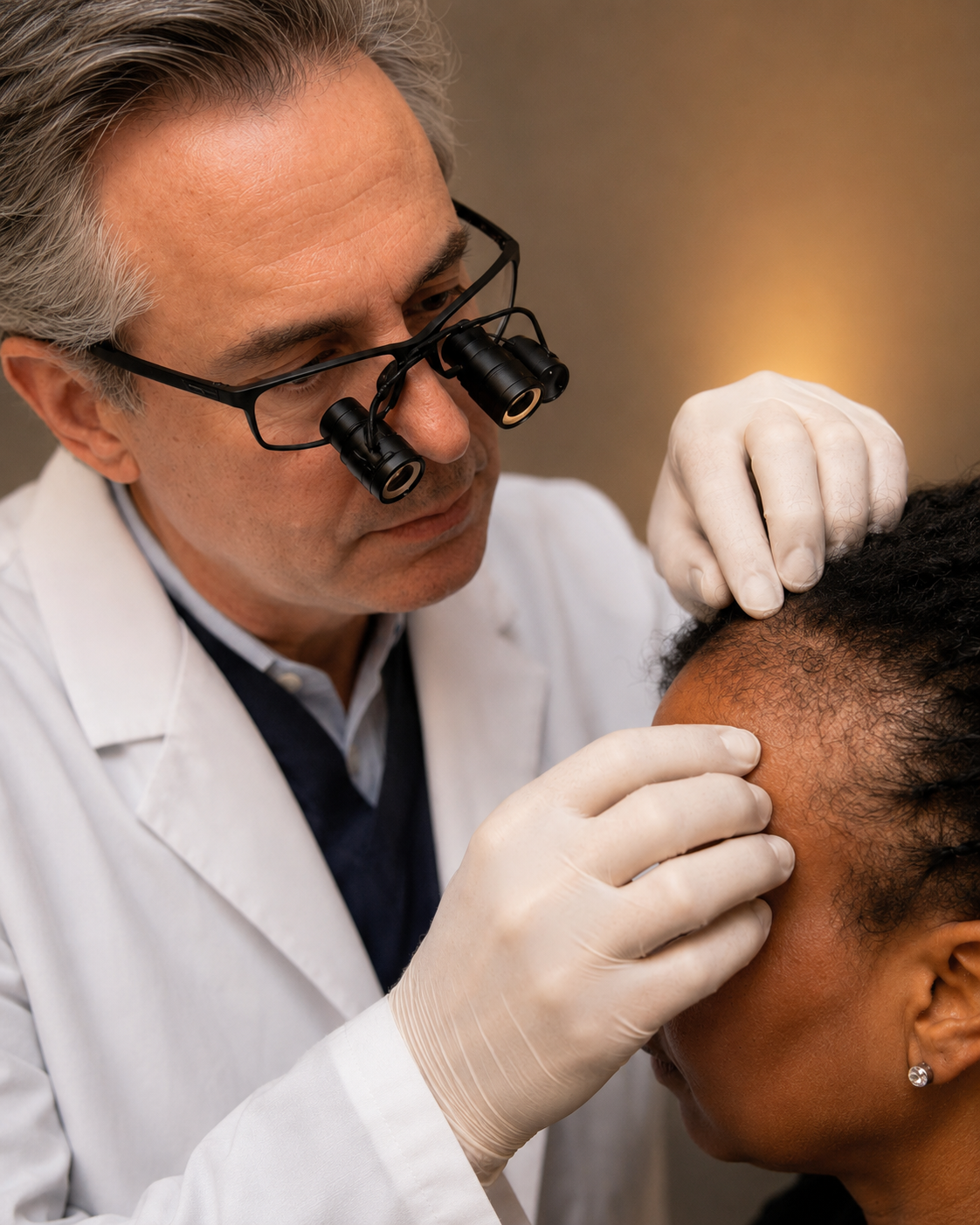
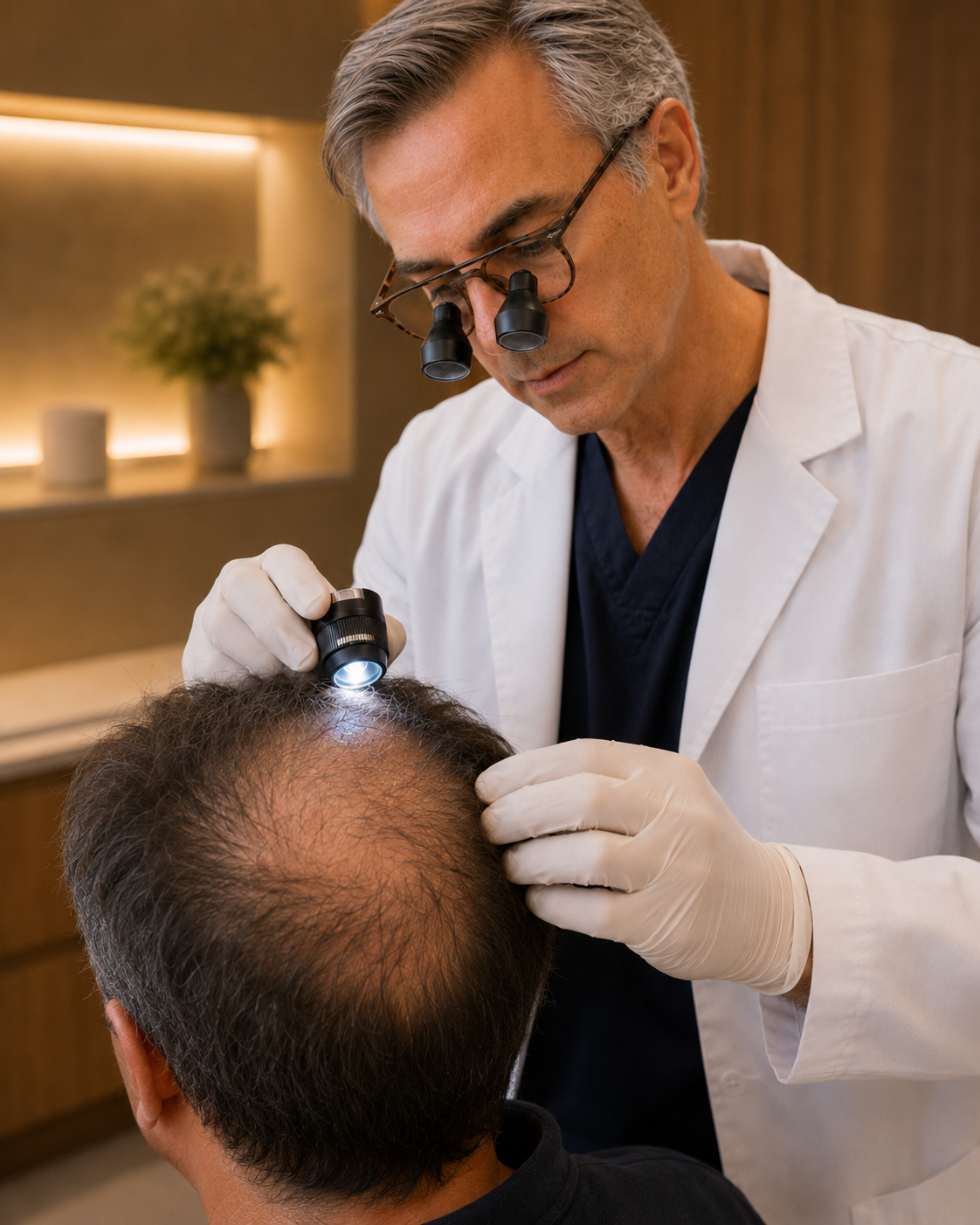
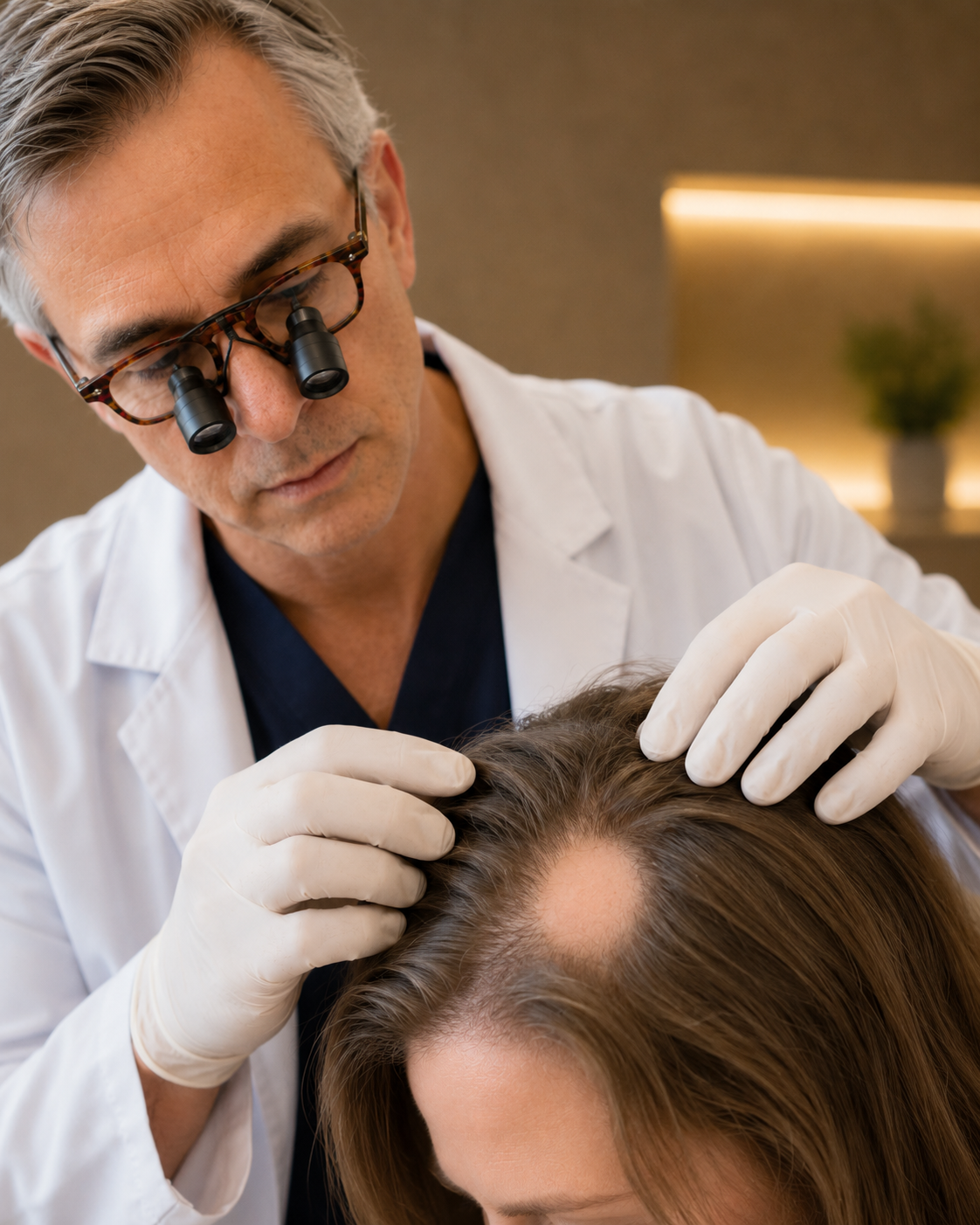
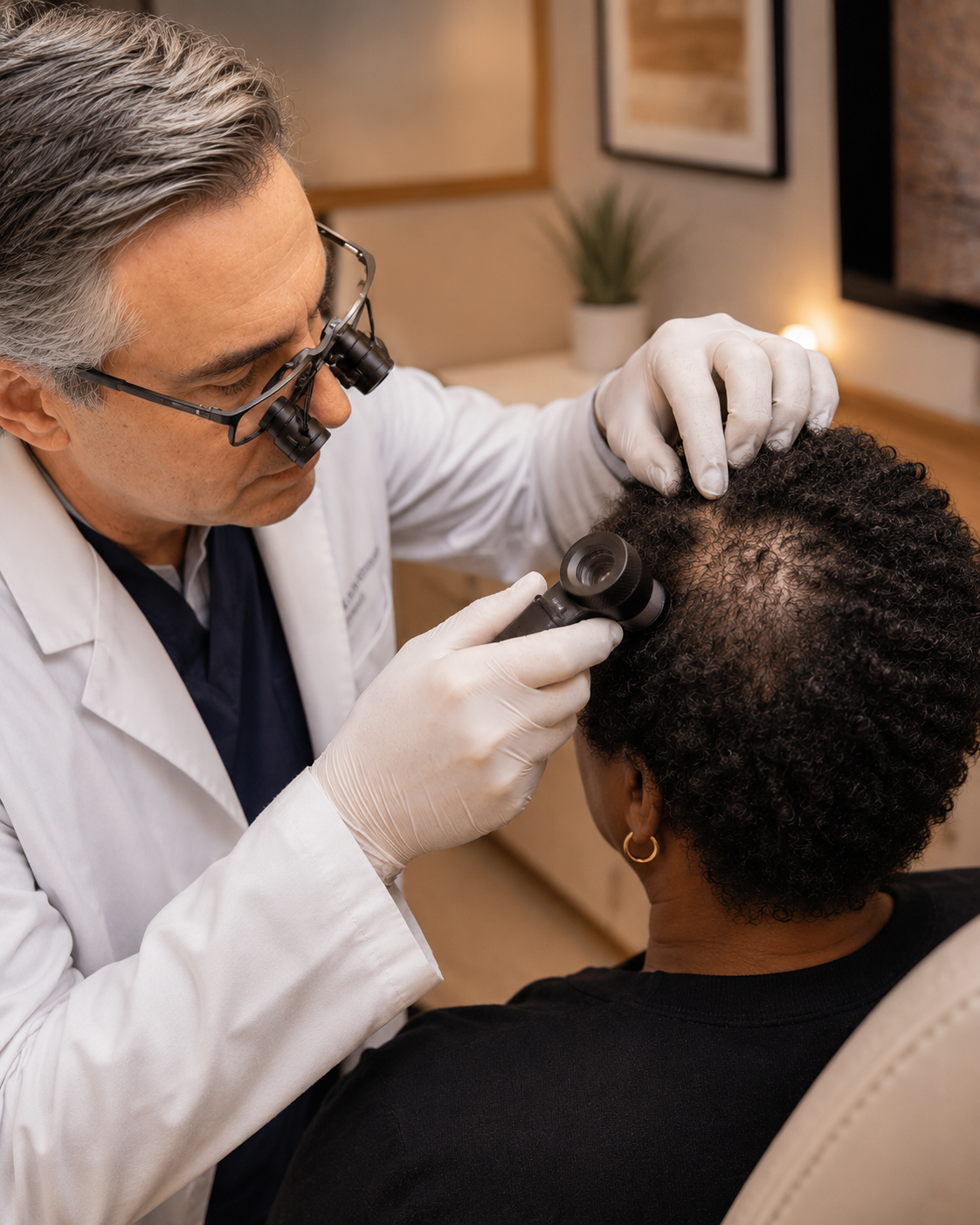
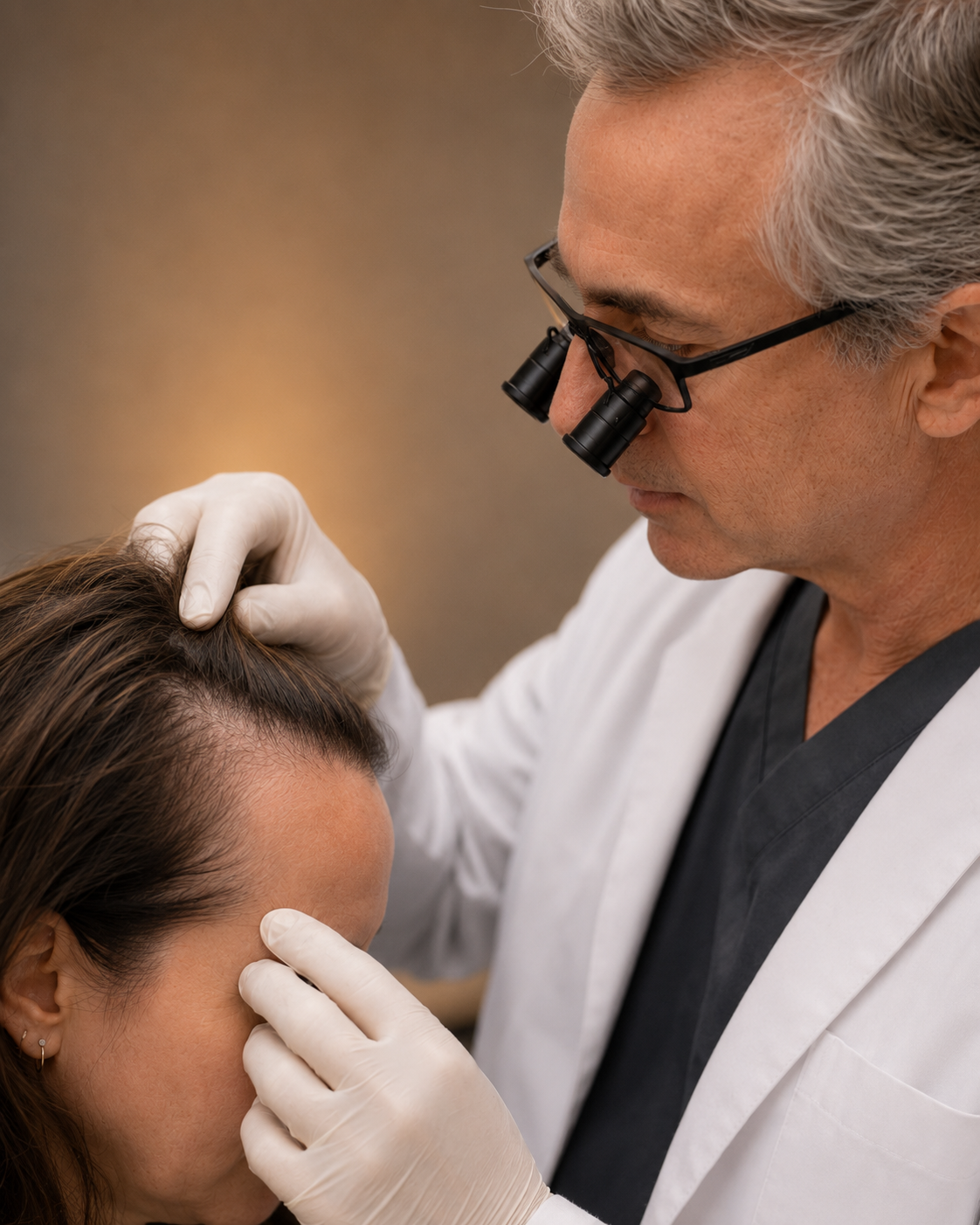

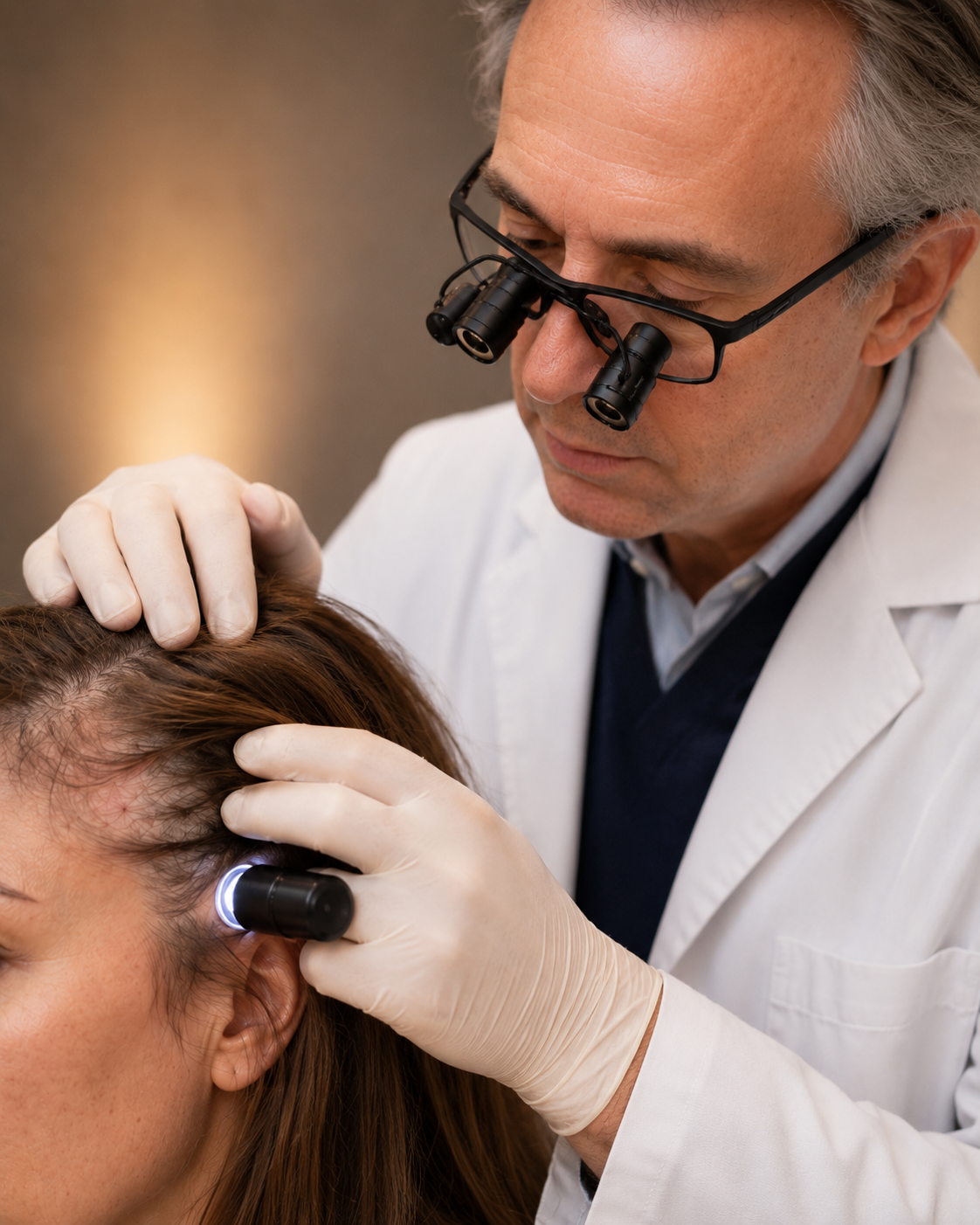
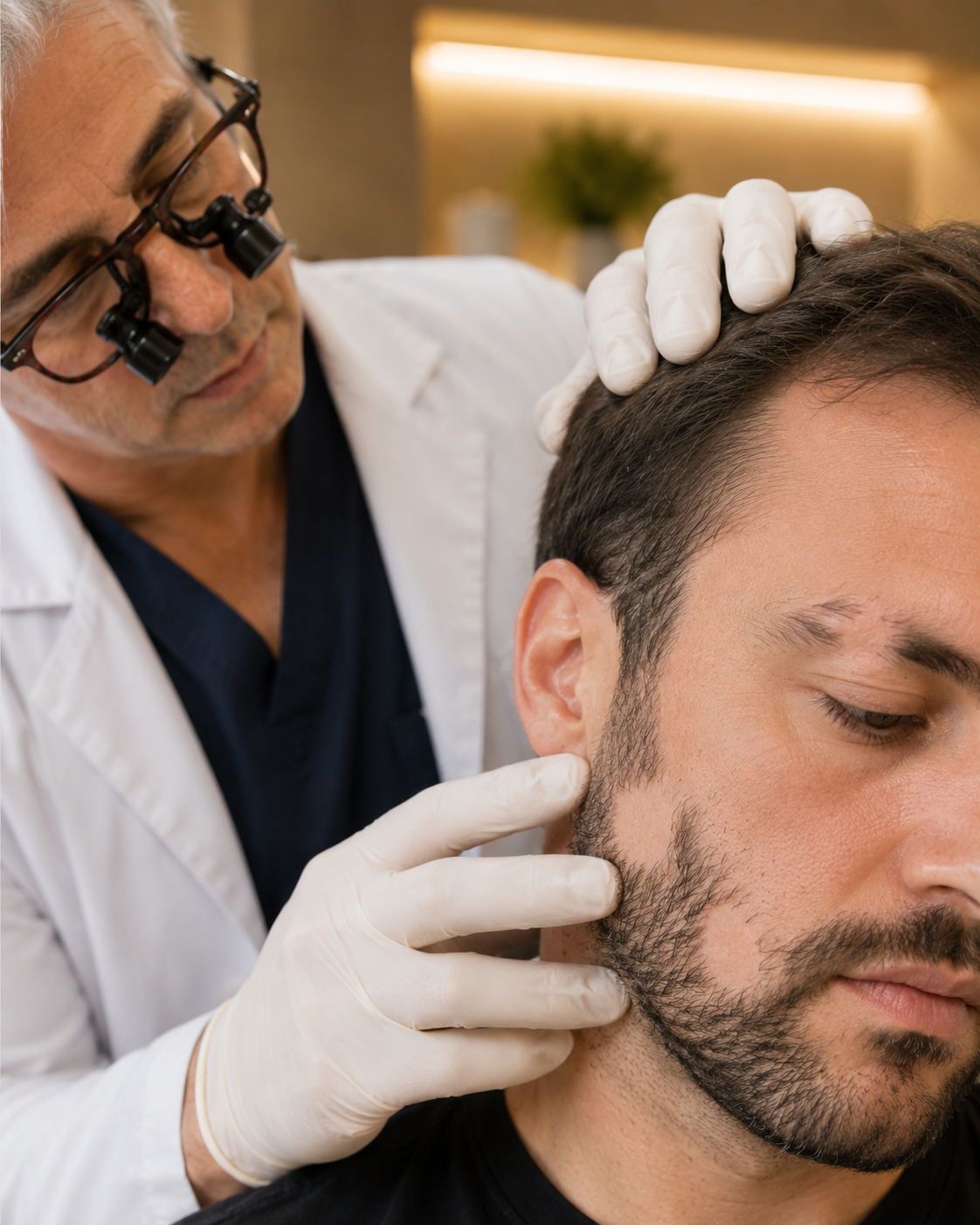
WHAT FHI ADDS
History · Distribution · Timeline · Scalp findings · Change over time
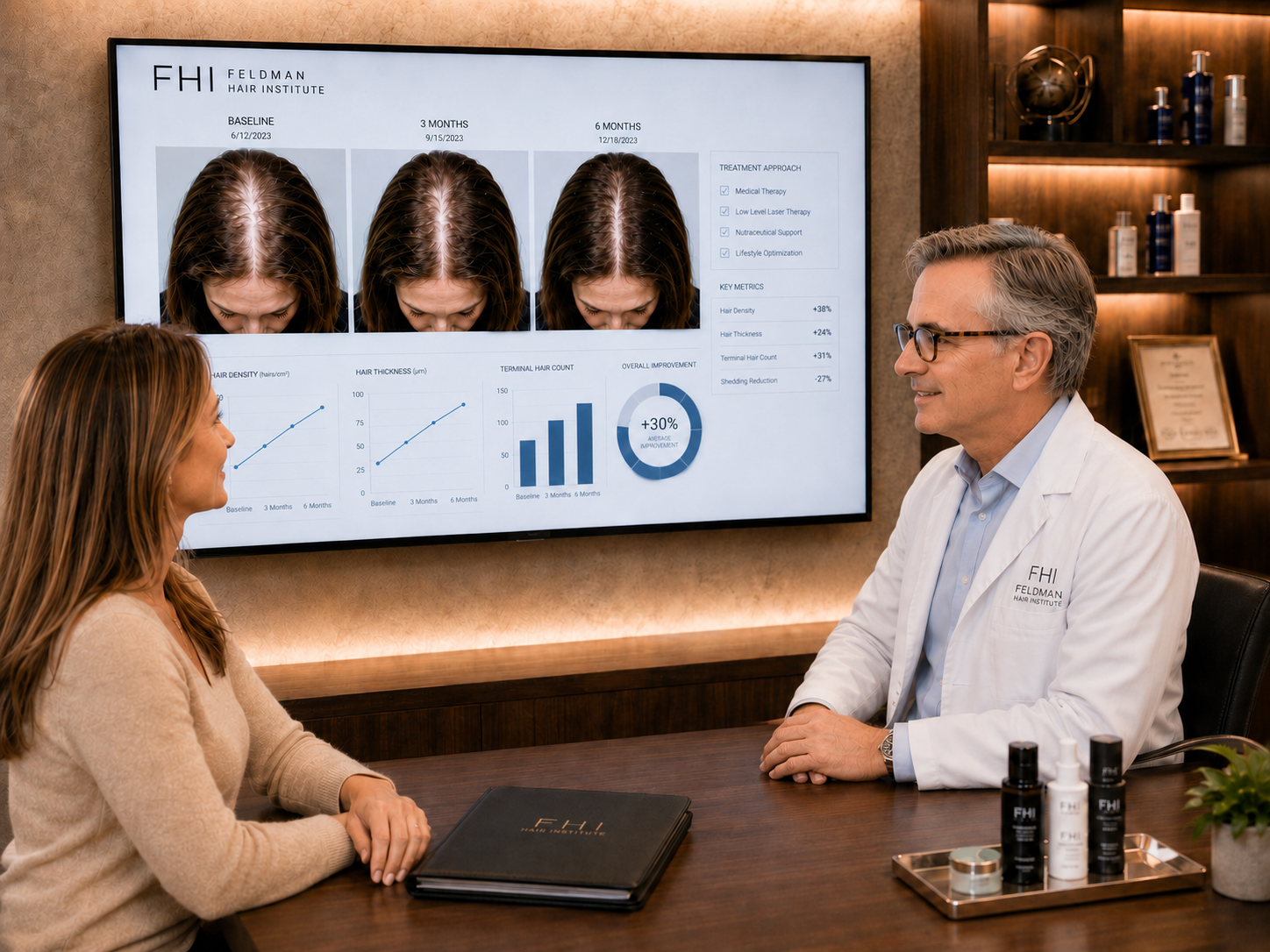
FHI brings the history, distribution, timeline, scalp findings, photographs, available laboratory or biopsy information, prior diagnoses, treatments, and changes over time into one organized assessment.
The case is then interpreted through a hair-biology and measurement lens: what is directly observed, what the findings suggest about activity and trajectory, what remains uncertain, and what should be followed.

People come to FHI at different points. Some are noticing their first changes. Some already have a diagnosis. Some are using treatment and need a clearer reading of response. Others need a structured baseline, a second review, long-term monitoring, or independent assessment around a procedure.
Start wherever you are in the hair-loss journey. Each entry point leads into the same structured intake, assessment, reporting, and follow-up process.
You have noticed shedding, thinning, texture change, scalp symptoms, or another change.
You want a thorough assessment before deciding what to do next.
You have a diagnosis, but still have questions or need a deeper look.
You are using treatment and need a clearer reading of response.
Things have changed again. You are unsure whether you are improving, stabilizing, or getting worse.
You want ongoing tracking to compare change and maintain a reliable record over time.
You are planning or recovering from a transplant, procedure, or medical event that may affect the hair.
Concern or practitioner referral, followed by structured intake.
Remote, in-person, or hybrid assessment using standardized methods.
Integrated findings, written summary, and practitioner feedback.
Objective comparison, follow-up, and monitoring over time.
What matters now, what to watch, and what to prioritize next.
Your pattern, timeline, scalp findings, records, treatment history, and response.
A concise assessment summary through the secure portal.
What should be measured and compared over time.
With your consent, a concise summary for your treating practitioner.
When treatment response or changing findings should be reassessed.
Peter R. Feldman is Founder and Director of Feldman Hair Institute. His work combines hair research, clinical trichology, trichoscopy, measurement, and longitudinal assessment to help patients understand what their hair is doing and what should be followed next.